Garage Additions / Foundations
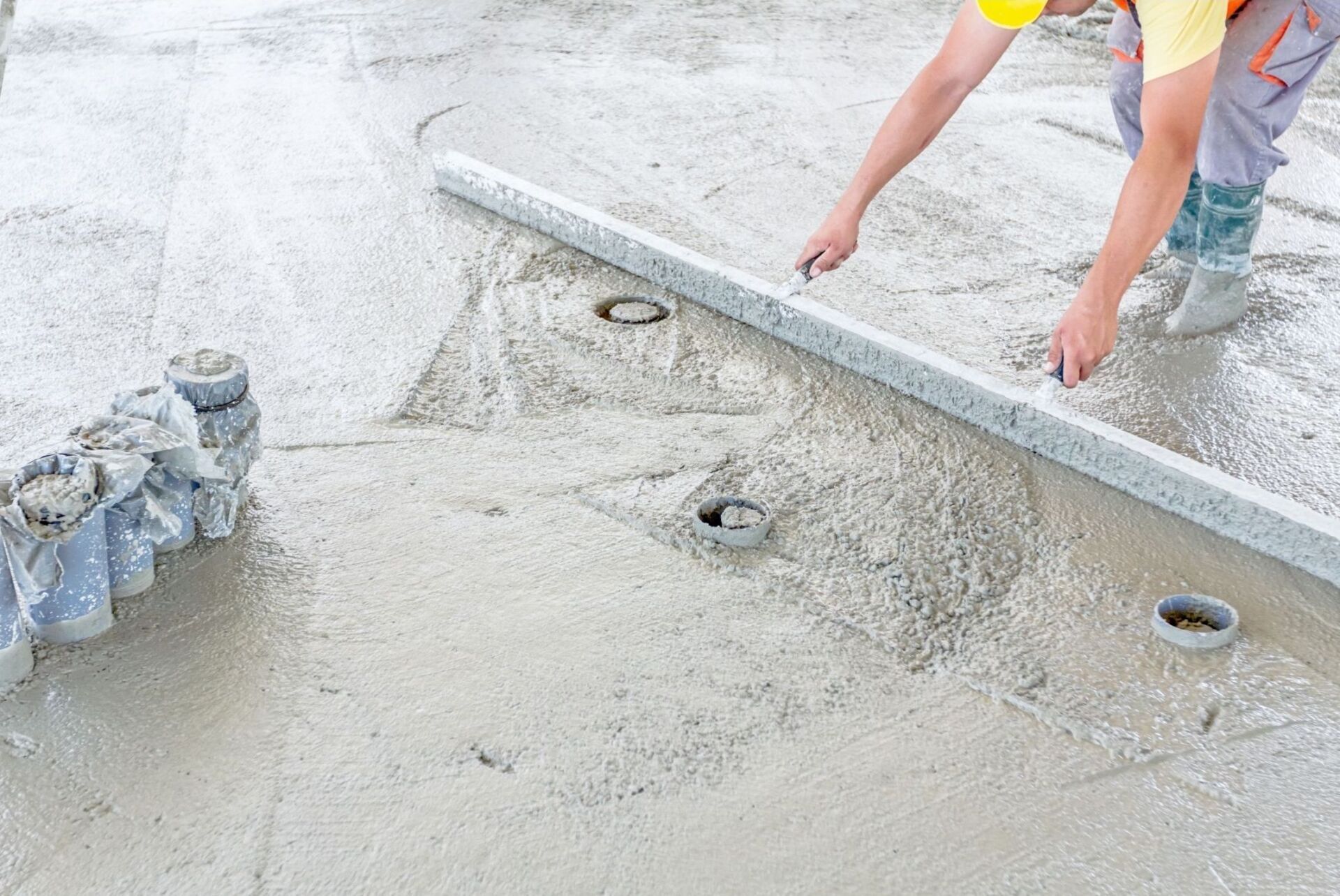
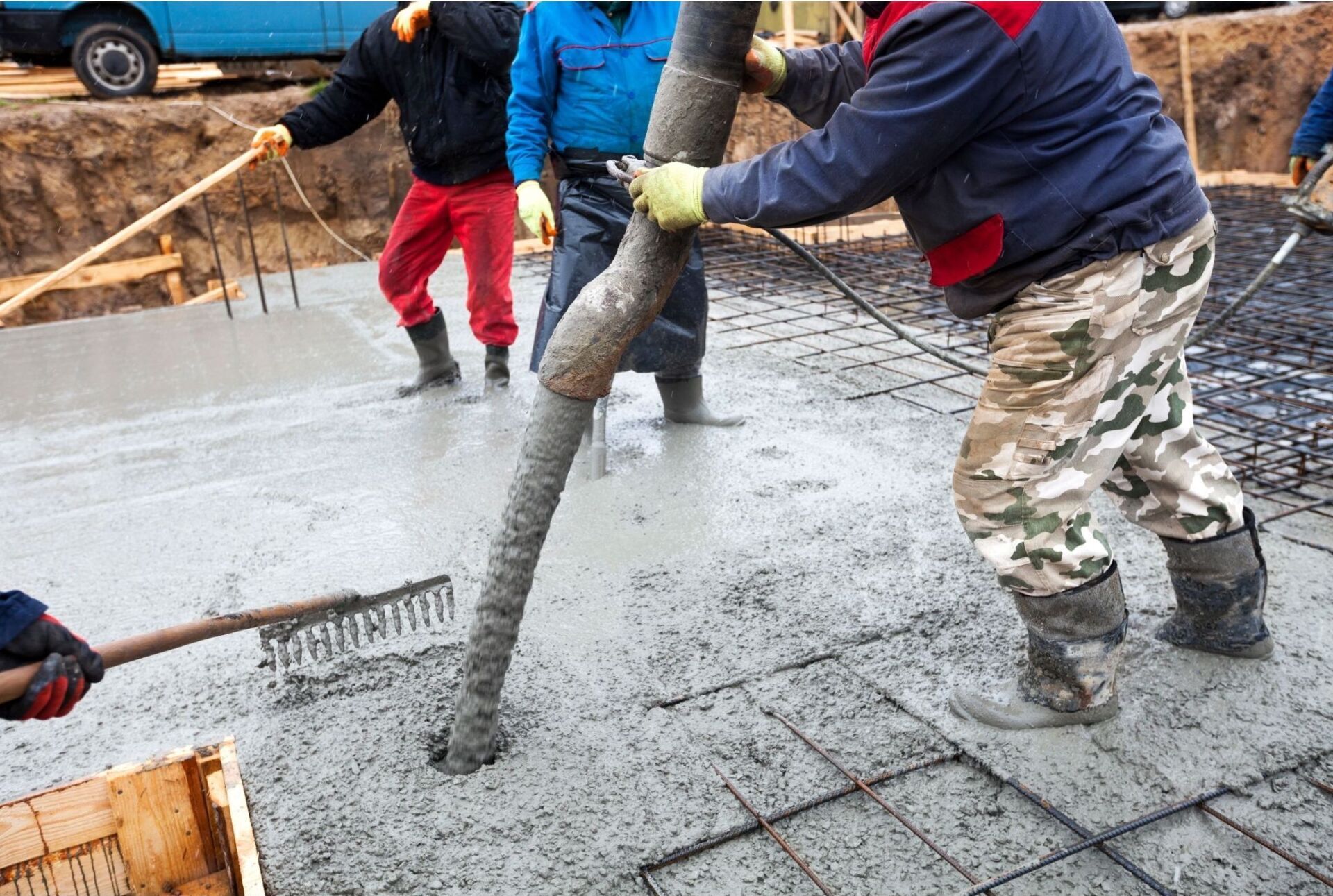
Do you need an addition for your garage or are you preparing to build a new home? Concrete of Longmont offers foundation pouring in the Longmont and surrounding area. We serve both commercial and residential communities. Our concrete contractor will take care of all the concrete work to make sure your foundation is built to code for:
- New home foundations
- Home additions
- Garage additions

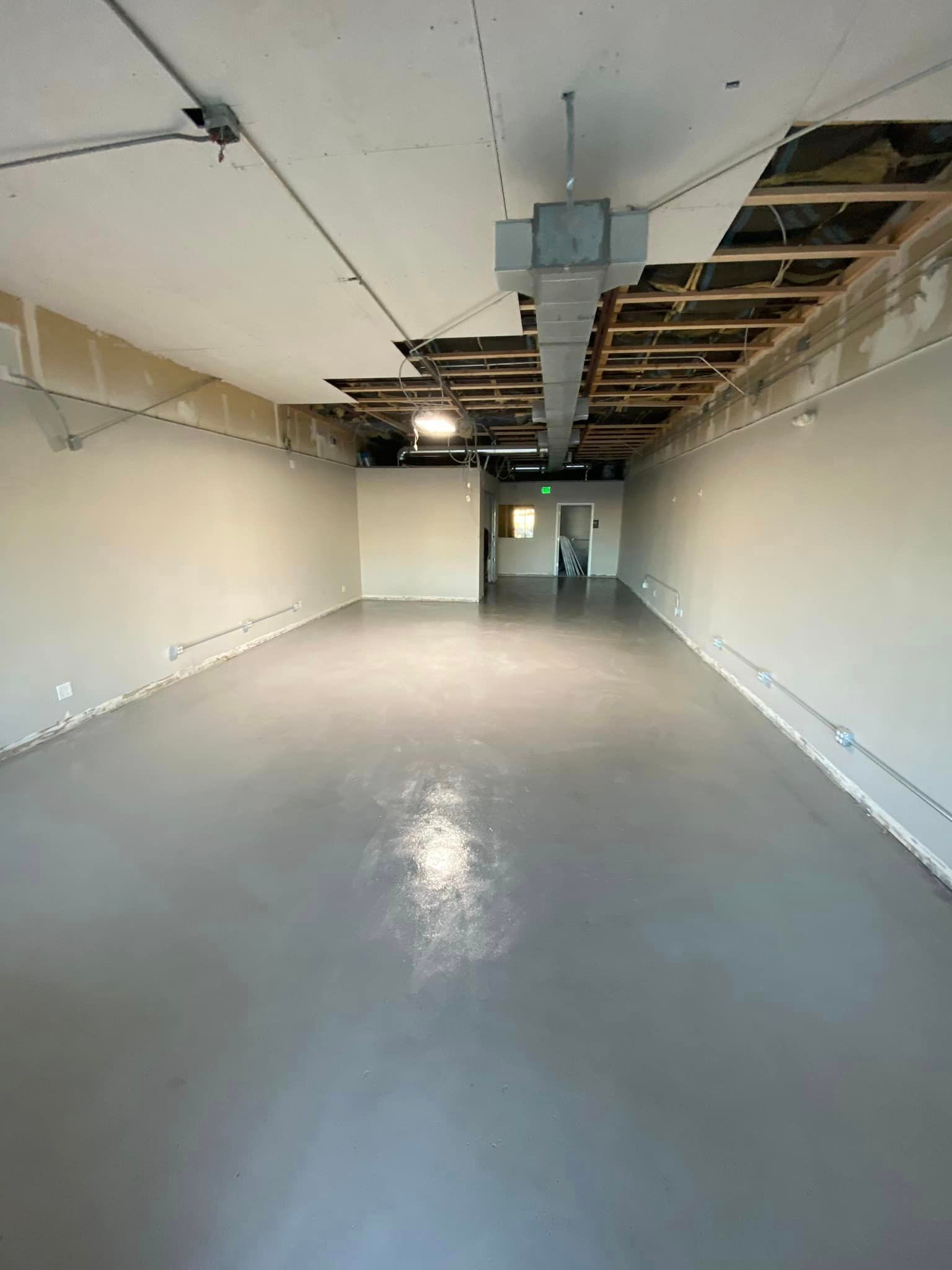
When choosing BM Concrete of Longmont for your garage foundation, you can trust in our commitment to the community, exceptional customer service, and affordability. We take pride in serving our local community with top-notch concrete services that are reliable and long-lasting. Our team is dedicated to providing excellent customer service, ensuring that your needs are met with professionalism and care. Additionally, we offer competitive pricing without compromising on quality, making us a cost-effective choice for your garage foundation needs. With BM Concrete of Longmont, you can rest assured that your project will be completed with expertise, integrity, and value.
The Ultimate Guide to Concrete Garage Foundations
When it comes to building a garage, one of the most important aspects to consider is the foundation.
A solid foundation is crucial for the structural integrity and longevity of your garage. But how deep does a concrete foundation need to be for a garage? What type of foundation is best? And how much will it cost? In this article, we will answer all these questions and more to help you make an informed decision for your garage project.
How deep does a foundation need to be for a garage?
In Longmont, the “depth” question is really about frost. The City of Longmont lists a 30-inch frost line depth in its climatic/geographic design criteria. City of Longmont In practice, that means the bottom of your garage footing (or thickened slab edge) typically needs to be at or below ~30 inches below finished grade, unless you’re using an approved alternative foundation design.
Longmont has adopted the 2021 International Codes (effective January 1, 2022), so local plan review is generally aligned with modern IRC/IBC concepts. City of Longmont The IRC baseline is: exterior footings must be at least 12 inches below undisturbed ground, and where frost applies, footings must also meet frost-protection depth.
Typical garage foundation setups
- Monolithic slab (thickened edge): Common for garages. The slab field is often ~4 inches thick, while the perimeter is thickened and deepened to meet frost requirements and carry wall loads.
- Stem wall + footing: Footing below frost, then a short foundation wall, then the slab inside.
Longmont vs nearby (for reference)
Jurisdictions vary. For example, Denver’s published frost line is 36 inches. Denvergov So copying a “Denver spec” into Longmont (or vice versa) can be wrong—always match the city you’re building in.
Materials and climate considerations (Front Range)
Longmont’s freeze–thaw + hot/dry wind is hard on fresh concrete. Two big material/process choices matter:
- Air-entrained concrete for exterior flatwork/edges exposed to freeze–thaw helps reduce surface scaling and flaking. Concrete Network+1
- Curing matters more than people think: hot, dry, windy days raise the risk of plastic shrinkage cracking if the surface dries too fast. NRMCA
Fiber mesh vs rebar (what each actually does)
- Microfibers (fiber mesh) mainly help control plastic shrinkage cracking at typical dosages; they’re not a substitute for structural steel in many slabs. Fiber Reinforced Concrete Association+1
- Rebar / welded wire reinforcement won’t “prevent” cracks, but it controls crack widths and helps the slab act more as a unit. Wire Reinforcement Institute+1
Overlay vs replace (if you’re dealing with an existing garage slab)
- Overlay is for a slab that’s basically stable (cosmetic wear, minor surface issues). Basic overlays often price around $3–$7/sq ft. Concrete Network+1
- Replace if there’s heave/settlement, ongoing movement, or large/active cracks. New slabs commonly run roughly $6–$12/sq ft installed (site work and reinforcement can push it higher). HomeGuide+1
What foundations do I need for a garage?
The most common types of foundations for garages include slab-on-grade, pier and beam, and frost-protected shallow foundations. The right choice depends on your local climate, soil conditions, drainage, garage size, and how the structure will be used. In Longmont and the Front Range, freeze–thaw cycles, clay-heavy soils, and seasonal moisture changes make foundation design especially important.
Slab-on-grade foundations
These are the most popular option for residential garages. This type of foundation consists of a single reinforced concrete slab poured directly on prepared ground. It’s cost-effective, quick to install, and works well for detached garages, workshops, and standard vehicle storage. In Colorado, a properly installed slab must include a thickened perimeter edge, rebar or fiber reinforcement, and well-compacted base material to prevent shifting and cracking. Drainage and insulation details also matter here due to winter freezing.
Pier and beam foundations
Elevate the garage slightly off the ground using concrete piers that extend below the frost line, supporting a structural frame. This option is useful when building on sloped terrain, unstable soil, or areas with drainage challenges. Pier and beam systems can also be helpful when utilities need to run beneath the structure. While this method is more expensive than slab-on-grade, it offers excellent stability and can reduce long-term settlement issues.
Frost-protected shallow foundations (FPSF)
These foundations are designed specifically for cold climates like Northern Colorado. These systems use insulation around the perimeter of the foundation to prevent frost from penetrating beneath the slab. This allows for a shallower excavation while still protecting the structure from frost heave. FPSFs are energy-efficient, durable, and ideal for heated garages or attached structures.
Other factors that influence your garage foundation include:
- Whether the garage will be attached or detached
- If the garage will support heavy vehicles, RVs, or equipment
- Local building codes and permit requirements
- Drainage patterns and slope of your lot
- Future plans such as adding living space above the garage
Choosing the wrong foundation can lead to cracking, uneven settling, moisture problems, and costly repairs down the road. That’s why it’s important to work with a local concrete contractor who understands Longmont’s soil conditions, frost depth requirements, and permitting standards.
At BM Concrete of Longmont, we evaluate your site, intended use, and budget before recommending the most durable and cost-effective foundation for your garage. Our goal is to build a foundation that lasts for decades—not just a few seasons.
What is the cheapest foundation for a garage?
A slab-on-grade foundation is often the most cost-effective option for a garage. This type of foundation is simply a concrete slab poured directly on the ground, without any additional footings or piers.
While it may be the cheapest option, it is important to ensure that the soil is properly prepared and compacted before pouring the concrete.
Does a garage foundation need rebar?
Rebar, or reinforcing bar, is often used in concrete foundations to provide additional strength and prevent cracking.
While rebar is not always necessary for a garage foundation, it is recommended for larger structures or in areas with poor soil conditions.
What is the best foundation for a garage?
The best foundation for a garage will depend on your specific needs and budget. Slab-on-grade foundations are a popular choice for their simplicity and cost-effectiveness, while pier
and beam foundations offer more flexibility in design and can be a good option for sloped or uneven terrain.
How much should a garage foundation cost?
The cost of a garage foundation will vary depending on factors such as the size of the garage, the type of foundation, and local labor and material costs.
On average, you can expect to pay anywhere from $3,000 to $10,000 for a garage foundation, with larger or more complex foundations costing more.
In conclusion, the foundation of your garage is a critical component that should not be overlooked. By understanding the different types of foundations available, the depth required, and the associated costs, you can make an informed decision that will ensure the longevity and stability of your garage for years to come. Remember to consult with a professional contractor or engineer to determine the best foundation option for your specific needs. Give us a call, at 720-807-7594 to get the best recommendation for your specific situation.